Sanitation Fact Sheet: Stabilized Soil Lining
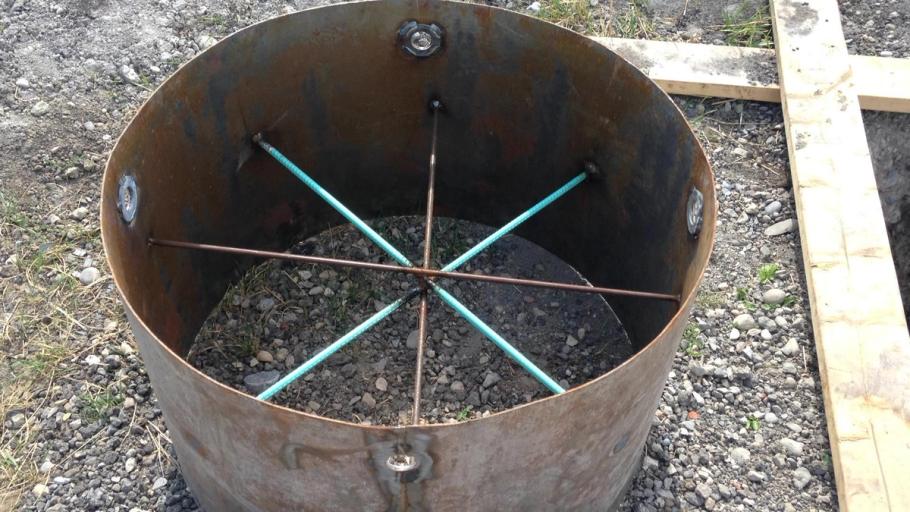
The fact sheet is CAWST's "Stabilized Soil Lining" resource — it introduces the Stabilized Soil Lining (SSL) technique for lining pit latrines. It's a sanitation method that reinforces the walls of a pit latrine using a soil-cement mixture (roughly 1 part cement to 10 parts soil) packed against a reusable circular mold, built up in layers as the mold is raised. It's positioned as a lower-cost alternative to other pit-lining options like precast concrete rings, blocks, and oil drums — the sheet includes a cost comparison showing it around $2 USD per foot versus $8–70+ USD for the alternatives.
Importantly, the technique is still under investigation: the fact sheet carries a disclaimer noting that the SSL method is in the testing phase, and further testing is needed to fully understand its structural limitations before it's applied at scale.
Sanitation Fact Sheet: Stabilized Soil Lining
The fact sheet is CAWST's "Stabilized Soil Lining" resource — it introduces the Stabilized Soil Lining (SSL) technique for lining pit latrines. It's a sanitation method that reinforces the walls of a pit latrine using a soil-cement mixture (roughly 1 part cement to 10 parts soil) packed against a reusable circular mold, built up in layers as the mold is raised. It's positioned as a lower-cost alternative to other pit-lining options like precast concrete rings, blocks, and oil drums — the sheet includes a cost comparison showing it around $2 USD per foot versus $8–70+ USD for the alternatives.
Importantly, the technique is still under investigation: the fact sheet carries a disclaimer noting that the SSL method is in the testing phase, and further testing is needed to fully understand its structural limitations before it's applied at scale.
Idioma:
Inglés
Formato:
Microsoft Word Document
Recursos de apoyo
Colecciones
¿Necesitas ayuda?
¿No encuentras lo que necesitas? ¿Tienes más preguntas sobre algún tema? ¿Necesitas consejos sobre cómo usar un recurso? Chatea con un asesor de CAWST.
ContáctanosAcerca de CAWST
CAWST es una organización canadiense sin fines de lucro y una firma de ingeniería autorizada en Canadá. Trabajamos para responder a la necesidad mundial de contar con agua segura y saneamiento, mediante el fortalecimiento y el desarrollo de habilidades y conocimientos locales, para que las personas puedan implementar por sí mismas soluciones a nivel del hogar.