Presentation - The Case for Household Water Treatment
Recent reports from the World Health Organization (WHO), the WHO-UNICEF Joint Monitoring Programme (JMP), and United Nations (UN) Water show that safely managed drinking water is not on track globally to achieve Sustainable Development Goal (SDG) 6.1: universal access to safely managed drinking water.
Water quality often declines between source and consumption due to contamination during transport, storage, and handling.
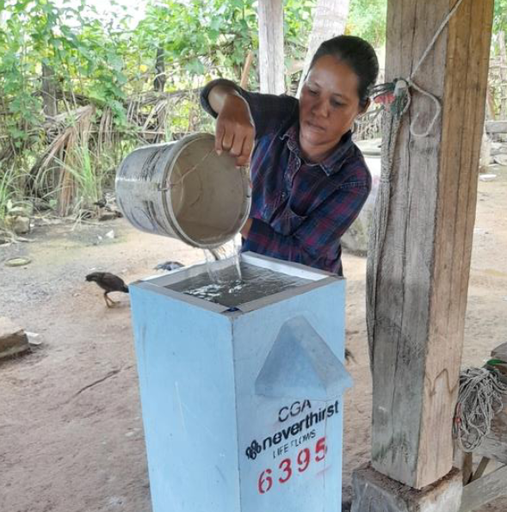
Drawing on these reports, this presentation summarizes an evidence brief and highlights household water treatment and safe storage (HWTS) as a proven, complementary approach to protecting drinking water quality at the point of use.
Presentation - The Case for Household Water Treatment
Recent reports from the World Health Organization (WHO), the WHO-UNICEF Joint Monitoring Programme (JMP), and United Nations (UN) Water show that safely managed drinking water is not on track globally to achieve Sustainable Development Goal (SDG) 6.1: universal access to safely managed drinking water.
Water quality often declines between source and consumption due to contamination during transport, storage, and handling.
Drawing on these reports, this presentation summarizes an evidence brief and highlights household water treatment and safe storage (HWTS) as a proven, complementary approach to protecting drinking water quality at the point of use.
Seleccionar un idioma
Seleccionar un formato
¿Necesitas ayuda?
¿No encuentras lo que necesitas? ¿Tienes más preguntas sobre algún tema? ¿Necesitas consejos sobre cómo usar un recurso? Chatea con un asesor de CAWST.
ContáctanosAcerca de CAWST
CAWST es una organización canadiense sin fines de lucro y una firma de ingeniería autorizada en Canadá. Trabajamos para responder a la necesidad mundial de contar con agua segura y saneamiento, mediante el fortalecimiento y el desarrollo de habilidades y conocimientos locales, para que las personas puedan implementar por sí mismas soluciones a nivel del hogar.