Sanitation Fact Sheet: Stabilized Soil Lining
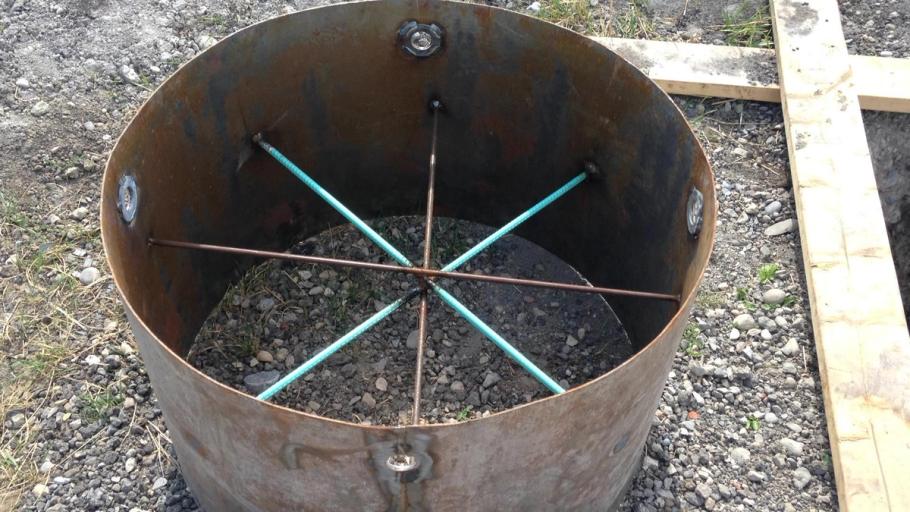
The fact sheet is CAWST's "Stabilized Soil Lining" resource — it introduces the Stabilized Soil Lining (SSL) technique for lining pit latrines. It's a sanitation method that reinforces the walls of a pit latrine using a soil-cement mixture (roughly 1 part cement to 10 parts soil) packed against a reusable circular mold, built up in layers as the mold is raised. It's positioned as a lower-cost alternative to other pit-lining options like precast concrete rings, blocks, and oil drums — the sheet includes a cost comparison showing it around $2 USD per foot versus $8–70+ USD for the alternatives.
Importantly, the technique is still under investigation: the fact sheet carries a disclaimer noting that the SSL method is in the testing phase, and further testing is needed to fully understand its structural limitations before it's applied at scale.
Sanitation Fact Sheet: Stabilized Soil Lining
The fact sheet is CAWST's "Stabilized Soil Lining" resource — it introduces the Stabilized Soil Lining (SSL) technique for lining pit latrines. It's a sanitation method that reinforces the walls of a pit latrine using a soil-cement mixture (roughly 1 part cement to 10 parts soil) packed against a reusable circular mold, built up in layers as the mold is raised. It's positioned as a lower-cost alternative to other pit-lining options like precast concrete rings, blocks, and oil drums — the sheet includes a cost comparison showing it around $2 USD per foot versus $8–70+ USD for the alternatives.
Importantly, the technique is still under investigation: the fact sheet carries a disclaimer noting that the SSL method is in the testing phase, and further testing is needed to fully understand its structural limitations before it's applied at scale.
Language:
English
Format:
Microsoft Word Document
Supporting resources
Collections
Need help?
Can’t find what you need? Have more questions about a topic? Need advice on how to use a resource? Chat with a CAWST advisor.
Contact usAbout CAWST
CAWST is a Canadian charity and licensed engineering firm. We address the global need for safe drinking water and sanitation by building local knowledge and skills on household solutions people can implement themselves.